
Getting Chartered : Everything you need to know
(but are too nervous to ask)


Getting Chartered Professional Engineer (CPEng) status is a significant milestone in a structural engineer’s career. But knowing when to start, what experience you need and how to prepare can feel overwhelming.
We spoke to Pocket’s recently chartered engineer, Nitish, about what the process involves, what he learned along the way, and his advice for young engineers working towards registration.
What does becoming chartered actually mean?
CPEng is a professional registration in New Zealand that recognises an engineer’s competence, professional judgement and ability to practise independently within their area of practice.
It demonstrates that you can do more than produce good calculations and designs. You can solve complex problems, manage risks, make sound engineering decisions and take responsibility for your work.
When should I start preparing?
Start early, even as a graduate. There is no fixed number of years required, as readiness depends on your experience and demonstrated competence. However, around four to five years can be a useful milestone to assess your readiness.
Keep a record of the projects you work on, the decisions you make, challenges you overcome and lessons you learn. This will make preparing your application much easier.
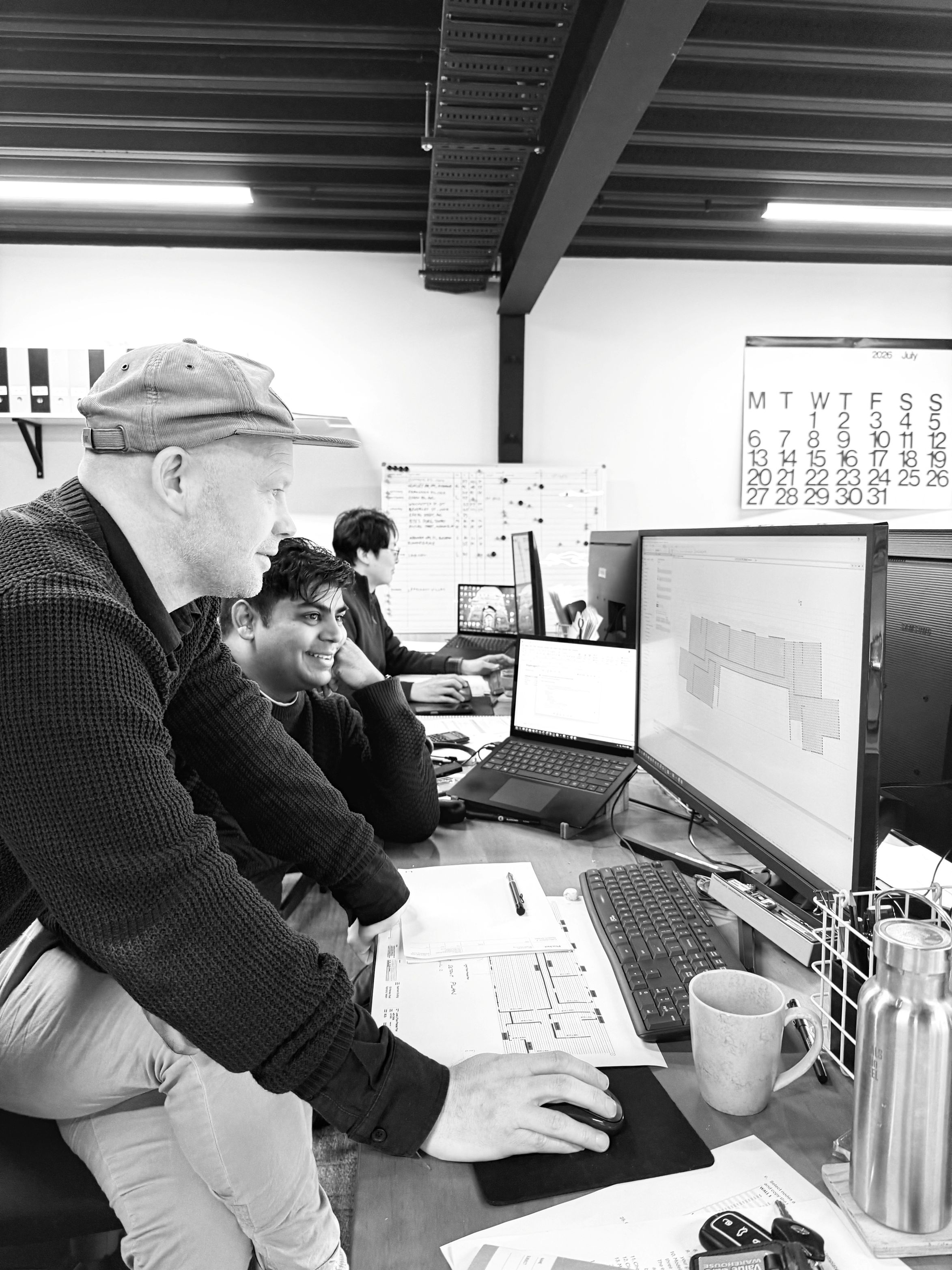
Christchurch Studio, July 2026
What experience do I need?
Aim to gain experience across different project types, structural materials and stages of a project, from design through to construction.
You don’t need experience in every type of structure, but you do need to demonstrate the required competencies within your area of practice.
Seek opportunities to work on challenging problems, understand construction methods and explain why you chose one engineering solution over another.
What competencies do I need to demonstrate?
CPEng is about much more than technical knowledge. You need to demonstrate that you can:
- Apply engineering knowledge to complex problems.
- Identify and manage risks.
- Exercise sound professional judgement.
- Communicate and collaborate effectively with other disciplines.
- Act ethically and recognise the limits of your expertise.
- Take responsibility for your engineering decisions.
As Nitish explains: “I demonstrated these competencies through structural design, seismic assessments and construction monitoring. I provided technical justifications for my decisions, considered risks and practical construction requirements, and worked with clients, contractors and experienced engineers to develop appropriate solutions.”
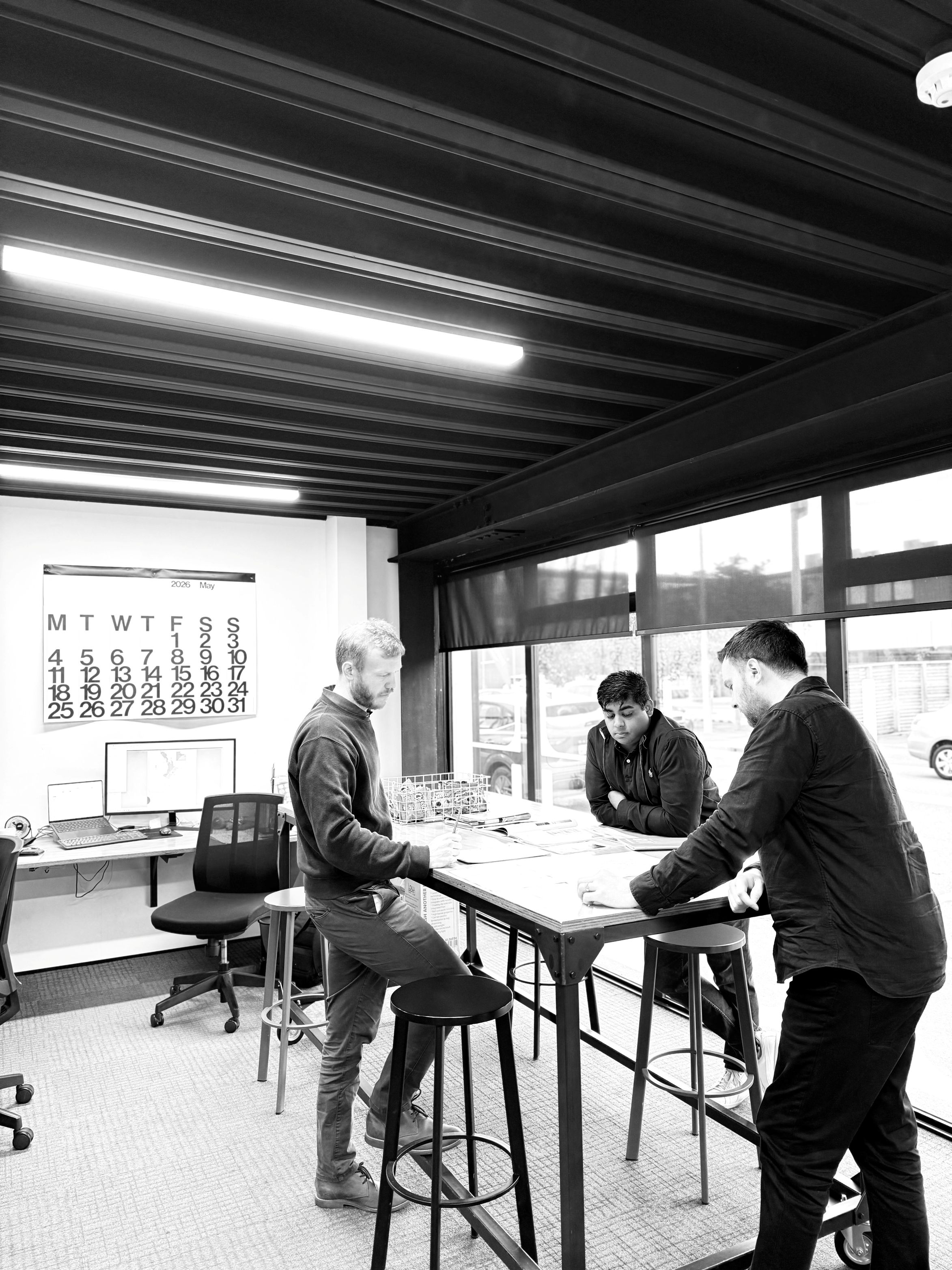
Christchurch Studio, May 2026
How do I prepare a strong application?
Choose projects that demonstrate different competencies and document your personal contribution.
A useful way to present each project is as a story: explain the initial problem, the options you considered, the decisions you made, the risks you managed and the outcome.
Where possible, follow the project from concept design through to construction. This helps demonstrate how your engineering decisions evolved and how you responded to challenges along the way.
Start early. Gathering evidence and preparing a strong application can take several months.
What happens during the assessment?
The assessment generally includes an interview with assessors who explore your experience, technical knowledge and professional judgement.
Expect questions about why you chose a particular design solution, what alternatives you considered, how you managed risks and how you handled challenges.
You don’t need to know everything. You need to understand your own work, explain your reasoning and recognise when you need advice or further expertise.
Think of it as a professional conversation rather than simply a technical exam.
How much does it cost, and how long does it take?
Allow several months for preparation and assessment. Engineering New Zealand’s published process and timeframes should be checked before applying.
Application fees, annual fees and assessment requirements can change, so check the current details directly with Engineering New Zealand. We have included link below.
https://www.engineeringnz.org/join-us/cpeng/
Nitish’s experience: learning along the way
What was the biggest challenge?
Presenting my experience as clear evidence of competence, rather than simply listing the projects I had worked on.
The best advice I received was to write about each project as a story, with a logical flow. Once I had completed the first project write-up, documenting subsequent projects became much easier.
Can you share an example of a project that helped demonstrate your competence?
One project involved designing a new timber portal frame structure, assessing an existing curved timber portal frame structure and carrying out construction monitoring.
Timber was selected partly because the remote location and transportation restrictions made a lighter structural solution more practical. The design also required careful consideration of connections, fire stability, foundation performance and coordination with other disciplines.
During construction, we discovered that a column had been incorrectly set out. Rather than automatically demolishing and rebuilding part of the foundation, I investigated an alternative connection solution and carried out the necessary engineering calculations to demonstrate its suitability.
This provided a technically justified, more economical solution while avoiding unnecessary reconstruction.
The project demonstrated how engineering competence extends beyond calculations to include practical problem-solving, risk management, collaboration and taking responsibility for decisions.
What do you wish you’d started doing earlier?
Documenting my project experience and key engineering decisions. Keeping a regular record would have made preparing my application much easier.
What’s your biggest piece of advice for a graduate engineer?
Start preparing early. Don’t focus only on calculations and design output. Learn to explain why you make decisions, seek feedback, take responsibility and keep a record of your experience.
You don’t need to know everything, but you do need to demonstrate sound engineering judgement.
Becoming chartered isn’t just about reaching a milestone. It’s about developing the knowledge, judgement and confidence to take responsibility for your engineering decisions.
The earlier you start building those skills and recording your experience, the easier the journey will be.